

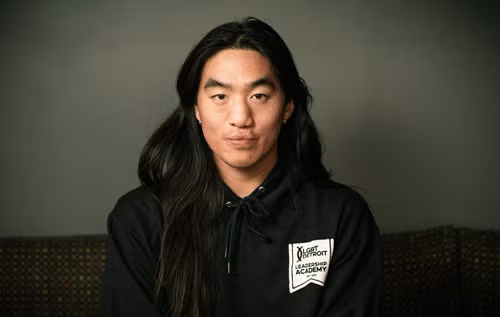
Kai Saale
Pronouns: he/him/his
Research Mentor(s): A. Nzere Kwabena
Research Mentor School/College/Department: LGBT Detroit / NonUM
Program:
Authors: Kai Saale, Ariel Chatman, A. Nzere Kwabena, Christopher Sutton
Session: Session 2: 10:00 am – 10:50 am
Poster: 98
Abstract
Honoring the significant impacts of queer individuals becomes a necessity under the current rise in unjustified speech, laws, and deaths among the LGBTQ+ community across our nation. LGBT Detroit, an organization dedicated to advocating for LGBTQ+ culture, education, and human rights, works to fill gaps in research on community support systems for marginalized groups. LGBT Detroit was founded on the intersections of what it means to be Black or Brown and a part of the LGBTQ+ community. Recognizing thirty years of legacy, LGBT Detroit curated the LGBT Detroit | 30 campaign, which includes community-centered events and interviews. LGBT Detroit | 30 programs foster collaboration between historical LGBTQ+ social groups and businesses that support LGBT Detroit’s mission while also administering a needs assessment to understand the lived experiences of LGBTQ+ persons. Utilizing this qualitative approach, LGBT Detroit will dissect in-depth interviews from community members across generations to conceptualize new programming and resources needed to support the ever-changing climate impacting members of the LGBTQ+ community. Through the analysis of interview data, the qualitative results show that LGBT Detroit serves as a vital pillar in the community, providing a safe space and support network for individuals navigating the complex intersection of race, sexuality, and gender. In considering what the next thirty years may entail, LGBT Detroit further aims to expand and improve the significant contributions of its many programs, such as HIV/AIDS stigma education and support groups in addressing systemic issues and social change. Ultimately, the findings of this research significantly stress the importance of community-designed systems for marginalized groups, particularly the intersection of one’s identity. This research not only highlights the impact of LGBT Detroit but also emphasizes the broader significance of community-based initiatives in promoting social justice, advocacy, and human rights for all.

