Homelessness is a rapidly growing problem in America — an economic environments and social stigmas evolve, this project aims to answer one simple question: can citizens make an actual impact in their community through street news papers? To answer this question, I’ll examine three street newspapers and how they impact their surrounding communities.
What is a street paper?
Before we explore how street papers may be a key part of combatting homelessness in respective communities, a proper place to start is defining a street paper.
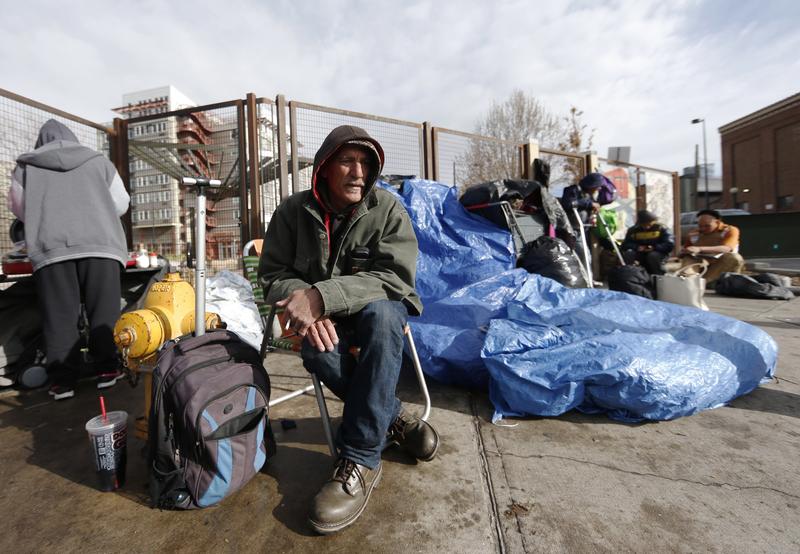
Street papers are newspapers produced by an organization and sold by homeless “vendors.” The vendor programs are designed to be an outlet for homeless individuals to receive monetary support outside the scope of government welfare programs and panhandling. In many ways, these street newspapers eventually become similar to advocacy groups, seeking to drive solutions to homeless by strengthening their communities, spreading positive awareness, and acting as critical support for the homeless population.
The scope of “community”
Many people ignore the homeless population, believing it doesn’t affect them. However, like any interconnected system, problems like homelessness affect every citizen through politics, government programs, and everyday life. For this reason, in the context of all three of these street newspapers, I would define a community as anyone affected by the homelessness population in any given city. This includes many stakeholders – there’s politicians that create legislation, the homeless population themselves, and anyone living in the city. The reason I’m defining the community at such a broad level is to make the point that many more people are affected by homeless than one would normally think. Obviously, there’s varying levels of activity in a community. Certain stakeholders are directly impacted – for example, the homeless people themselves or the writers of the street papers. However, this does not exclude broader citizens from the community, who are all still certainly stakeholders in some capacity.
The Voice (Denver)
The first street-paper I’ll examine is The Voice in Denver.
Homelessness in Denver
Denver is a city of adventurers and people pushing the limits. With its incredibly high elevation, vast mountain ranges, and snow-heavy winters, many of those that live in Denver are incredibly unique, contributing to its distinct culture. In many ways, the street paper The Voice embodies the traits of Denver, and even shapes the community itself.
To be clear, this community is anyone that is affected and connected to the homeless population in Denver. This includes homeless people, governments, homeless organizations, The Voice itself, and many Denver citizens. In many ways, this makes the community the city of Denver itself. For context, the recent landscape of Denver’s homeless population is vastly changing. According to The Denver Post, the amount of unsheltered people in Denver nearly doubled from 2020 to 2021. This amount of change in a community has a unique impact – as more people become homeless, each person becomes more of a statistic.
At this point, the role of The Voice becomes critical – after browsing through their articles and stories, it is clear this street newspaper really focuses on re-emphasizing the individuality of homeless people that may be lost with a growing population.
What does The Voice write about?
The Voice does an excellent job on shining light on other stakeholders in the community that the homelessness population in Denver affects. For example, one really interesting article shines light on a man named Adrian Michael. Michael is a Denver native and a contributor to The Voice. He specifically focuses on street photography, a unique art form.
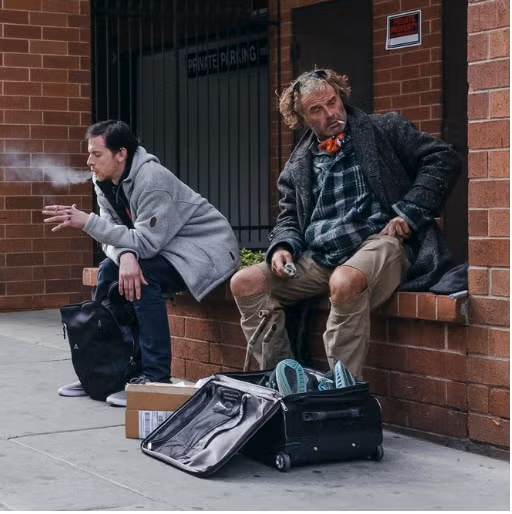

Michael captures candid, slice-of-life moments, again attempting to showcase the individuality of the Denver community. Michael’s story is fascinating because of how connected his role is in the community. Not only does he capture intangible aspects of street life in Denver in a beautiful fashion, but also he has a role of sharing this art in order to make sure no one forgets that homeless people in Denver are just that: people. This example demonstrates two ideas.
First, The Voice shines light on people in the community that aren’t necessarily homeless, but still play an integral role in the community. In short, they spotlight a more inclusive, authentic look at Denver’s community. Secondly, it showcases how the street paper truly attempts to humanize the situation and that there are beautiful, positive things being done out of a negative situation.
How The Voice humanizes the homeless
While The Voice does an incredible job of spotlighting other stakeholders, humanizing homeless people themselves is another impact the paper has on the community. Their articles focus on telling individual stories of the homeless people. One particular story that stood out to me was John Torres Shows – this man lost his leg due to diabetes and sepsis. On the surface, one may assume that because of this situation John would simply give up, do nothing to find housing, and stay in his situation forever. However, The Voice takes an interesting approach to humanize John. Rather than forcing you to pity John for his situation, The Voice shines a light on how John Torres Shows is working to improve his situation. In the article, John is shown working hard as he collects scrap items from dumpsters, repairs them, and makes a living selling them on Craigslist.

The Voice humanizes people of the homeless community in Denver in a fascinating and effective way. Instead of giving the readers a sob story and asking for donations, The Voice explains how John got in his current situation, and then demonstrates how hard he is working to get out of it. For people in the overall Denver community, this makes John not seem like a statistic, but rather a hard-working human.
Accessibility: how does The Voice reach as many audiences as possible?
Using stories to humanize situations is a noble task. However, to even get to that point, people in the Denver community have to engage. Accessibility is a huge problem. When it comes to income inequality, a big impact stems from the fact that not all people have equal access to information and resources. The Voice broadens its impact by making the newspaper incredibly accessible.
Firstly, their website layout is unbelievably easy to navigate without any confusion. As far as UI/UX design goes, The Voice is the top of the line. This is especially important to reach readers who have internet access but aren’t necessarily tech savvy.

The website does a stellar job of accommodating multiple different parties. For example, if I’m looking to advertise in the newspaper, it’s evident exactly where I can contact The Voice. If I’m someone looking to donate, I can do so in one simple click of a button. If I’m looking to become a vendor, I can navigate to that page without any confusion. While this may seem like trivial benefits, The Voice makes access to the community inclusive. Without any barriers to entry or confusion about how to access resources, almost anyone of any demographic can reach the website.
For those that want continuous updates, The Voice also has a newsletter option. As it relates to accessibility as well, this option makes it easy for the community to be constantly updated. Any community heavily relies on communication, but some people prefer different platforms. The Voice gives their customers optionality.
Megaphone Magazine (Vancouver)
The second street paper I will examine is Megaphone Magazine.
Homelessness is a pervasive issue anywhere. Street newspapers are a unique way to solve this problem from a grassroots perspective. In their own words, The Megaphone Magazine in Vancouver is explicitly focused on creating a “solutions-based” magazine in Vancouver.
Similarly to Denver, I would define the community for Vancouver as anyone affected by the homeless population in Vancouver – from the homeless population themselves to politicians, this includes just about all of Vancouver itself. In terms of average citizens, people verbally care about Vancouver’s homeless problem. 4 in 5 Vancouver residents say homelessness is a major issue and that the government is not doing a good enough job to solve it.
Sources of homelessness: economic context for Vancouver
For some economic context, Vancouver has unique issues with homelessness because of legislative issues. More specifically, the BC area in general struggles with affordable housing legislation. According to an article by Bloomberg, Vancouver is facing a severe housing crisis – in 20 years, the baseline price of a home has nearly tripled. To afford a single family home in Vancouver, it is apparently necessary to have at least a $300,000 income. For these reasons and many more, Vancouver has over 2100 homeless residents. In short, Vancouver’s homeless situation is relevant and changing rapidly because of how tied it is to housing legislation.
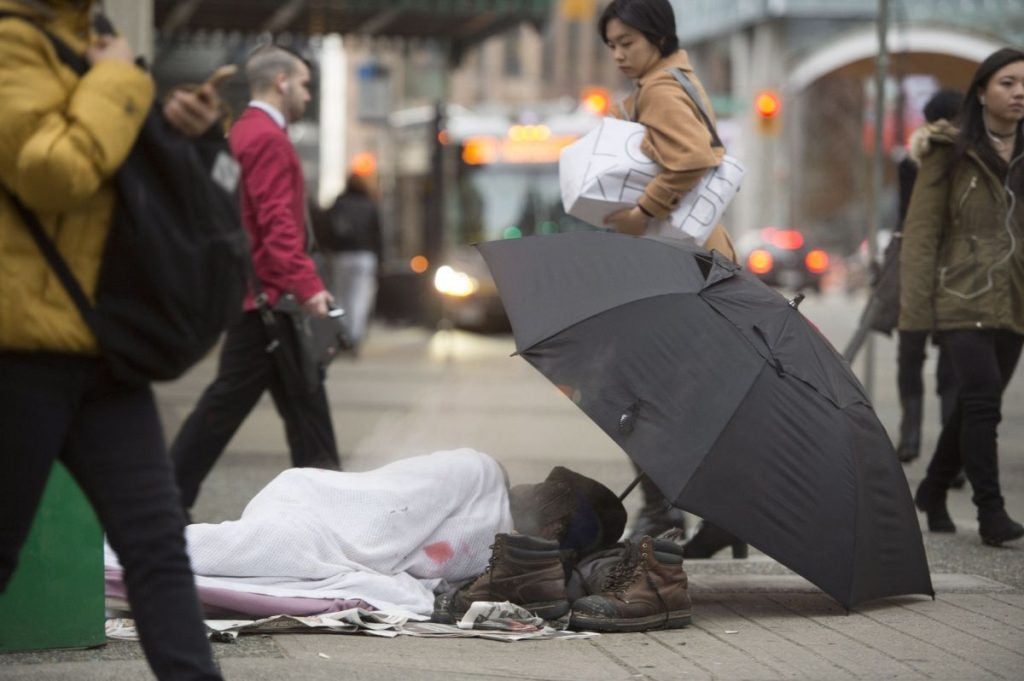
Megaphone Magazine’s role here becomes apparent – to reflect Vancouver’s rapidly evolving homeless population and the subsequent impact on surrounding communities, Megaphone Magazine has an incredibly accessible and modern media solution.
Modern Media: Megaphone Magazine’s website design
Similarly to Denver’s The Voice, Megaphone Magazine’s website is informative, incredibly navigable, and easy to access.
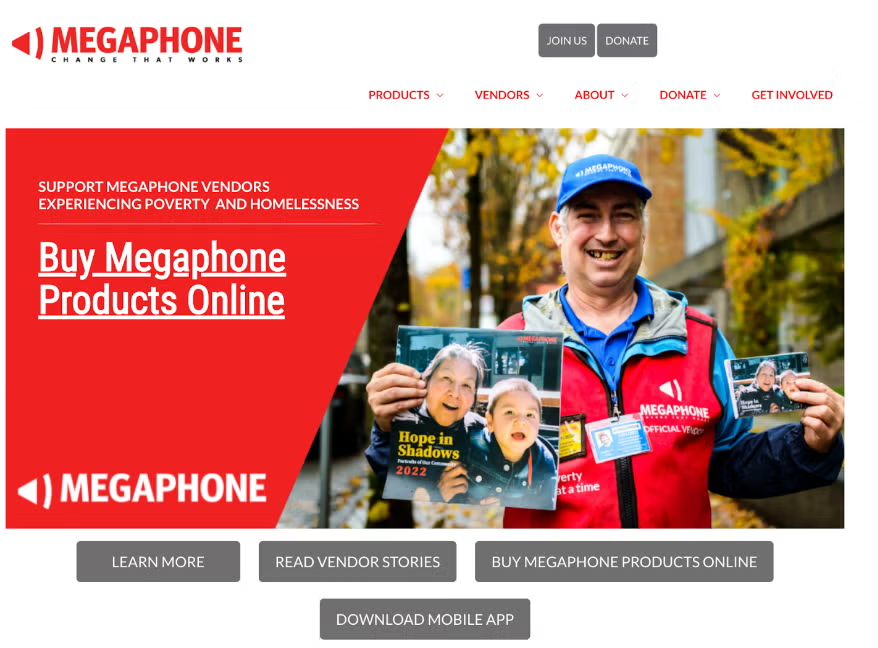
From a potential-donors perspective, it takes only a few clicks to make a donation. Analyzing this from a pure business point-of-view, this design is strongly suited for long-term growth. If donations are simple and straightforward to make, bottom-line and growth will be consistent, especially in the long term. Lower barriers to entry for donations are bound to create an upward cycle. More donations means more resources for the paper, and more resources means more benefit for the homeless population. Simple solutions such as a modern can have domino effects in terms of impact on the community.
On the flip side, Megaphone Magazine’s navigation makes it far easier for homeless people to become vendors. Internet access is obviously limited for a homeless person focused mainly on survival – taking the time to navigate an awfully designed website might stop hundreds of potential vendors. Megaphone Magazine even takes it a step further – they offer a mobile app. This demonstrates even further evidence of the ease of accessibility, reflecting Vancouver’s modern housing problem.
Furthermore, combine their website with their incredibly professional social media presence, and you have (in my opinion) one of the most effective street newspapers out there. What Megaphone Magazine does is not only reflect the Vancouver community, but genuinely shapes the community and spreads positive messages about creating solutions. The most important principle in shaping any community is simple: engagement.
Social Media Presence
Megaphone Magazine has a social media presence on almost all platforms — most notably, twitter, Instagram, and Facebook. In terms of engaging a community, Megaphone Magazine’s social media presence makes the community tangible. For example, they are incredibly active on Twitter. They are active on Twitter almost every day. From updating their community of administrative changes, new events, or legislative updates, Megaphone Magazine gives a tangible place for the people of Vancouver (and more) to interact.

The result is that this street newspaper disproportionally strengthens the community it represents. Engagement means an active community, and an active community is a strong community. Importantly, the magazine also gives multiple options to get involved in the community. For example, many consumers use email more than twitter. To accommodate multiple audiences and to make sure the community surrounding homelessness in Vancouver is inclusive, Megaphone magazine also provides a newsletter for updates.
Differentiated Products
Megaphone magazine is innovating upon the definition of what a street newspaper does and can do. Referring to my original definition of a street newspaper, they provide local news and give homeless people the option to become a vendor. However, Megaphone magazine’s mission, takes the idea of a street newspaper a step further. For example, they have an initiative known as the “Hope in Shadows” photo contest. The magazine has both people of the community upload portraits of Vancouver citizens for a photo contest. The best 12 pictures are then selected and put into a calendar each year. This “Hope in the shadows” calendar can then be used by vendors as an alternative product to sell.

This unique initiative presents two benefits to the community. Firstly, it gives a tangible shared goal for members of Vancouver’s community to achieve together. This again strengthens the community. Furthermore, it gives optionality to the vendors of the magazine. Having multiple products to sell gives depth and personality to what would’ve been an otherwise regular street newspaper. In short, it differentiates the community surrounding Megaphone magazine.
In-person events
In today’s world, joining communities online is easier than ever. However, a consequence of this environment is that the beauty of in-person events has been slightly lost. Humans were meant to interact face to face – that’s what can create a tightly-bonded group of people. It seems that Megaphone magazine shares this sentiment. Building on the theme of strengthening community, another initiative that Megaphone magazine focuses on taking the next step of bringing the community to real life. For example, one event they had is “Mocktails, Music, and Megaphones.”
As it relates to the community surrounding homelessness in Vancouver, one fact has become apparent: Megaphone magazine is clearly driving the community by not only making it accessible, but also giving members a platform to connect with each other in person. It is events like this that ensure long term prosperity. While it may seem like a stretch, connecting people can raise awareness for issues such as homelessness. Megaphone Magazine’s impact, in my opinion, is pervasive in every crevice of the Vancouver community.
Real Change News (Seattle)
Seattle is a city of opportunity – companies like Microsoft and Amazon attract millions of citizens to this ever growing city. With all this economic prosperity, you would never expect Seattle to have a notable homeless population. However, according to the Seattle government, there’s 11,751 homeless people in Seattle. The reasons for this, like any homeless population, are multi-faceted. Just like Denver and Vancouver, in the wake of a growing homeless population, Seattle has a street newspaper aiming to fight for new solutions to stop a snow-balling social and economic issue.
Real Change News’ clear mission
Based on the Real Change News’ website and social media presence, it’s clear they’re focused on a clear goal: real-world solutions. The Voice and Megaphone Magazine’s articles focused mainly on homeless individuals and their stories. While Real Change News does have similar stories, they uniquely have many interviews with politicians themselves. For example, they interviewed both candidates running for the 37th legislative district in Seattle. When many people think about the stakeholders in the homeless community, it may seem paradoxical to think of politicians. However, Real Change News is focused on solutions, and legislative change is critical for many solutions to homelessness.

These articles are not one-time exceptions – Real Change News has a heavy focus on writing articles about politicians and political news. 60% of the articles in the latest issue were interviews with politicians.
A simple slogan, not-so-simple impact
Making true change is incredibly difficult. In essence, Real Change News is run more like a startup than any other street newspaper I’ve researched. In fact, they have a simple slogan that describes what they do: “Jobs, Journalism, Justice.” For “Jobs,” like many other papers, they provide support to homeless people with their vendor program. For “Journalism,” their focus on politics and social change is unique. Finally, for “Justice” Real Change News has an incredibly involved advocacy group.
It’s clear that Real Change News’s focus is on legislative change based on their articles with politicians. To further their goals, their advocacy groups focus on actually following through: “On March 28th, we filed an initiative for social housing onto the 2022 City of Seattle ballot.” While most other street newspapers certainly make an impact through their vendors, Real Change News makes tangible impact in a variety of ways.
Unique Initiatives
Another example of Real Change News’ focus on actionable solutions, is their focus on creating solutions for health and hygiene problems for the homeless. One burden that homeless people in Seattle experience is the lack of public restrooms. Real Change News had an extremely unique project where they partnered with the University of Washington College of Built Environments to design and install “street sinks” for people experiencing homelessness. It is incredibly profound and important that Real Change News drive solutions that actually make a clear impact outside the scope of the vendor program. First, it gives their articles and advocacy initiatives legitimacy. Secondly, their work genuinely shapes the community around the homeless population in Seattle. Instead of simply reporting news, Real Change News achieves their exact mission: “Jobs, Journalism, Justice.”

RCN’s social media presence
Finally, similarly to The Voice and Megaphone Magazine, Real Change News has the best social media presence that I’ve ever seen for a street paper. Again, this makes each article far more impactful – their readers aren’t customers, they’re a part of a greater community. By engaging and supporting the in-person initiatives that Real Change News undertakes, they make the Seattle community surrounding homelessness tangible and strong.
Comparing all three street newspapers
Homelessness is a dynamic and complex issue to solve in America. Street newspapers are a creative, multifaceted part of the solution that can create change on all fronts.
For example, each paper gives homeless people an option to become a vendor. Furthermore, each newspaper shares critical news about updates for their respective communities. These fundamental attributes all strengthen the communities surrounding homelessness in each city. The Voice focuses on bringing awareness to other people helping to alleviate homelessness. Megaphone Magazine has in-person events to make the Vancouver community aware of homelessness. Real Change News has an incredibly active advocacy group focused on creating real change. What all three papers do incredibly well is their accessibility – every paper has digital options, user-friendly websites, and professional-quality social media presences. This makes it so that there are no barriers of entry for the communities in each city, making each community subsequently stronger and more authentic.
Each paper has similar goals of raising awareness and creating change. However, because certain cities have different personalities, each paper has unique nuances that reflect the difference of their respective communities. The most notable difference is what each paper’s content focuses on. The Voice and Megaphone Magazine share a theme of stories of people within the community. Megaphone Magazine has many articles about homeless citizens of Vancouver. While The Voice has similar articles, they also tend to write about people that are doing work to drive change for homelessness, like Adrien Michael, the street photographer. Finally, Real Change News’ articles has a unique focus on Seattle politicians.
There is one lesson from these papers that is abundantly clear — through street papers, individual citizens can certainly work to help alleviate homelessness in many ways. There’s no excuse.

Works Cited
“Addressing Homelessness.” Addressing Homelessness – Human Services, Seattle Human Services, https://www.seattle.gov/human-services/reports-and-data/addressing-homelessness.
“Advocacy.” Real Change News, https://www.realchangenews.org/advocacy.
Balsamo-Gallina, Adriana. “Homelessness a Growing Problem in America’s Exurbs: The Takeaway.” WNYC Studios, 30 Oct. 2016, https://www.wnycstudios.org/podcasts/takeaway/articles/homelessness-growing-problem-americas-exurbs.
Clasen, Giles. “Transforming the Discarded.” The Denver VOICE, The Denver VOICE, 22 Sept. 2022, https://www.denvervoice.org/archive/2022/9/19/transforming-the-discarded.
Labbe, Stefan. “Report Finds ‘Missing Middle’ Solution to Metro Vancouver’s Housing Crisis.” Vancouver Is Awesome, https://www.vancouverisawesome.com/real-estate/report-finds-missing-middle-solution-to-metro-vancouvers-housing-crisis-5050676.
Meissner, Beth Leighton And Dirk. “About 4,000 People Are Homeless in Metro Vancouver, Study Says.” Thestar.com, Toronto Star, 28 Feb. 2017, https://www.thestar.com/news/canada/2017/02/27/about-4000-people-are-homeless-in-metro-vancouver-study-says.html.
Monaghen, Elisabeth. “Adrian Michael: An Eye for Stories.” The Denver VOICE, The Denver VOICE, 19 Aug. 2022, https://www.denvervoice.org/archive/2022/7/29/adrian-michael-an-eye-for-stories.
Pearson, Natalie Obiko. “Vancouver’s Housing Crisis Not Caused by Money Laundering: Probe.” Bloomberg.com, Bloomberg, 16 June 2022, https://www.bloomberg.com/news/articles/2022-06-16/dirty-money-didn-t-cause-vancouver-s-housing-crisis-probe-finds.
Rubino, Joe. “Covid Complicated Denver Homeless Count but New Report Offers Troubling Picture.” The Denver Post, The Denver Post, 28 Jan. 2022, https://www.denverpost.com/2022/01/21/denver-homeless-population-count-2021/.